THE BOOKSHELF Books that help children look closer. A practical library for parents: architecture, Marathi stories, India and belonging, making, nature, STEM, and places worth noticing.
Search books
108 recommendations
Architecture + Built World · Ages 4–6, 7–9 · English
Reviewed by Architectmata Gaudi, Architect of Imagination by Susan B. Katz; illustrated by Linda Schwalbe
What children notice After reading, look at a Gaudí building together and ask: What shapes do you notice? Which parts look inspired by nature? Would you like to live or play in a building like this?
Why I recommend it A child-friendly introduction to Antoni Gaudí that turns his life and architectural ideas into an accessible story. It encourages children to notice how imagination, nature and persistence can shape architecture while leaving room for them to form their own opinions about design.
Parenting · Ages 4–6, 7–9 · English, Other
Reviewed by Architectmata I Didn't Understand by Mini Shrinivasan; illustrated by Shubham Lakhera
What children notice After reading, ask: What could a classmate do to help someone feel included? Invite your child to name one small action they could take at school.
Why I recommend it A sensitive, child-centered story that helps children understand empathy, inclusion and the experience of a child with Down syndrome without turning the character into a lesson. It opens space for conversations about bullying, differences and kindness.
Making + Art · Ages 4–6, 7–9 · English
Reviewed by Architectmata What Did the Monster Child Eat Today? by Sampurna Chattarji
What children notice After reading, ask your child to invent an exaggerated version of an ordinary meal: What did you really eat, and what could a ‘monster child’ claim it was?
Why I recommend it A funny, imaginative read that uses wild exaggeration and visual surprises to show how ordinary experiences can become playful stories. The flaps add an interactive layer that keeps children engaged.
Making + Art · English
Beautiful Oops! by Barney Saltzberg
What children notice Creative confidence; mistakes as possibilities; experimentation; process over perfection
Curiosity + STEM
Learn to Program
Curiosity + STEM
Find Out! Robots
India + Belonging
Illustrated Ramayan for Children
Curiosity + STEM
How to Code a Sandcastle What children notice Coding concepts taught through story; sequencing; instructions; debugging; problem-solving
Curiosity + STEM
Adi’s Perfect Patterns and Loops
Curiosity + STEM
Adventures in Coding
Curiosity + STEM
Secret Coders
Making + Art · English
The Dot by Peter H. Reynolds
What children notice Creative confidence; making a mark; artistic courage; process over perfection
Curiosity + STEM
Lauren Ipsum
Curiosity + STEM
Coding Games in Scratch
Curiosity + STEM
Science of the National Parks
Curiosity + STEM · Ages 0–3, 4–6
My First Coding Book What children notice Interactive early introduction to coding concepts; sequencing; patterns; logic; problem-solving without needing a screen
Parenting
The Girl Who Never Made Mistakes What children notice Creative confidence; perfectionism; resilience; learning from mistakes
Making + Art · English
Ish by Peter H. Reynolds
What children notice Creative confidence; letting go of perfection; experimentation; finding your own voice
Curiosity + STEM
Find Out! Coding
India + Belonging
Nava Durga
Curiosity + STEM
Girls Who Code
Curiosity + STEM · Ages 4–6, 7–9 · English
Reviewed by Architectmata The Prickletrims Go Wild by Marie Dorléans; translated by Polly Lawson
What children notice gardens, nature, control, wildness, environmental awareness
India + Belonging · Ages 4–6 · English
Reviewed by Architectmata Billu Buttons by Gus Singh; illustrated by Delzin Choksey
What children notice Sikh identity, independence, self-acceptance, dressing skills, confidence
Curiosity + STEM · Ages 4–6 · English
Reviewed by Architectmata Wake Me Up in 20 Coconuts! by Laurie Keller
What children notice questions, not knowing, time, humor, curiosity
Curiosity + STEM · Ages 4–6, 7–9 · English
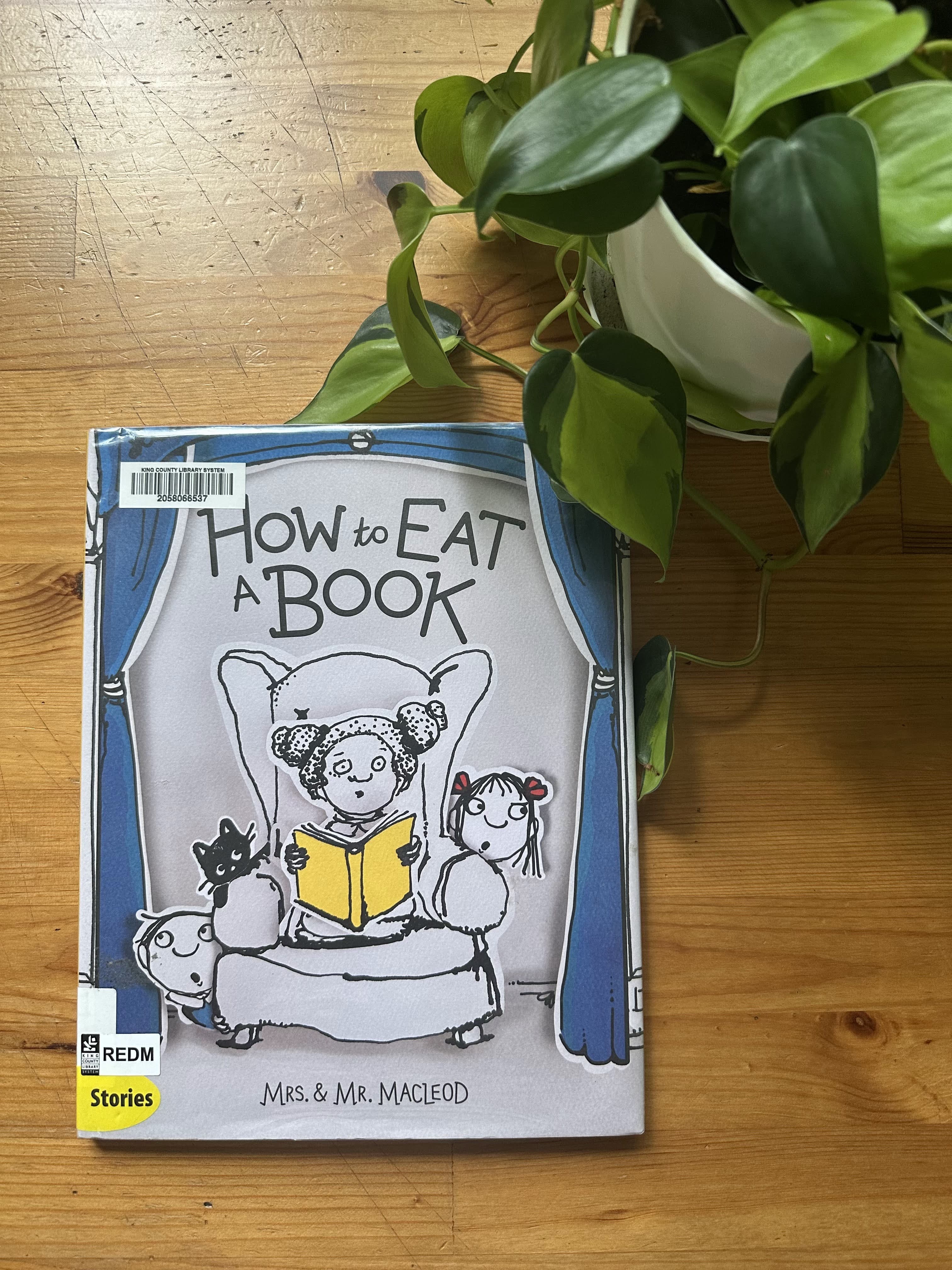
Reviewed by Architectmata How to Eat a Book by Mrs. & Mr. MacLeod
What children notice books, imagination, reading, metafiction, humor
India + Belonging · Ages 4–6, 7–9 · English
Powerful Hanuman by Anita Raina Thapan; illustrated by Alankrita Jain
What children notice Hanuman, Ramayana, friendship, courage, Indian mythology
Parenting · Ages 7–9, 10+ · English
Reviewed by Architectmata Charlie and the Chocolate Factory by Roald Dahl; illustrated by Quentin Blake
What children notice chapter book, imagination, family reading, fantasy, humor
Making + Art · Ages 4–6, 7–9 · English
Reviewed by Architectmata I Cannot Draw a Bicycle by Charise Mericle Harper
What children notice Choose one simple shape—a circle, rectangle or triangle—and see how many different things your child can turn it into.
Why I recommend it A playful book about shapes, observation and visual thinking. It shows children that drawing is not just about making something look correct—it is about noticing, experimenting and seeing possibilities.
Places + Travel · Ages 0–3, 4–6 · English
Reviewed by Architectmata The Snail and the Whale by Julia Donaldson; illustrated by Axel Scheffler
What children notice adventure, friendship, travel, ocean, confidence
Architecture + Built World · Ages 4–6, 7–9 · English
Reviewed by Architectmata Building a Home by Polly Faber; illustrated by Klas Fahlén
What children notice construction, renovation, builders, tools, homes, architecture
Parenting · Ages 0–3 · English
Reviewed by Architectmata Clap Your Hands! (Sesame Street) by Random House
What children notice music, movement, participation, Sesame Street, toddler interaction
Places + Travel · Ages 4–6, 7–9, 10+ · English
Reviewed by Architectmata This Is San Francisco by Miroslav Sasek
What children notice San Francisco, city, landmarks, cable cars, architecture, travel
Parenting · Ages 4–6, 7–9 · English
Reviewed by Architectmata Why Do We Cry? by Fran Pintadera; illustrated by Ana Sender
What children notice Choose one feeling from the book and ask: If this feeling were a place, weather, animal or color, what would it look like? Let your child draw or describe it.
Why I recommend it A thoughtful book that helps children understand that crying is a normal response to strong emotions. Its visual metaphors give shape to feelings that can otherwise be difficult for young children to name or explain.
Architecture + Built World · Ages 7–9, 10+ · English
Reviewed by Architectmata Cool Architecture: Filled with Fantastic Facts for Kids of All Ages by Simon Armstrong
What children notice architecture, building types, architectural history, structures, iconic buildings
Making + Art · Ages 0–3, 4–6 · English
Reviewed by Architectmata Press Here by Hervé Tullet
What children notice interactive reading, cause and effect, movement, color, play
Architecture + Built World · Ages 7–9, 10+ · English
Reviewed by Architectmata 100 Things to Know About Architecture by Louise O'Brien; illustrated by Dàlia Adillon
What children notice architecture, buildings, history, architectural vocabulary, world architecture
Curiosity + STEM · Ages 0–3, 4–6 · English
Reviewed by Architectmata Alice in Wonderland: A BabyLit Colors Primer by Jennifer Adams; illustrated by Alison Oliver
What children notice After reading, pick a color and look around the room for three objects in that color. For an older child, ask which Wonderland object or character they would match with that color.
Why I recommend it A clever board book that introduces colors through recognizable elements from Alice in Wonderland. It works as an early-learning color primer for toddlers while also giving older readers and parents a playful first connection to a literary classic.
Parenting · Ages 4–6, 7–9 · English
Reviewed by Architectmata This Book Is Not for You! by Shannon Hale; illustrated by Tracy Subisak
What children notice reading choice, gender stereotypes, books, inclusion, censorship
Parenting · Ages 4–6, 7–9 · English
Reviewed by Architectmata Perfectly Imperfect Mira by Faith Pray
What children notice perfectionism, growth mindset, trying again, confidence, self-comparison
Curiosity + STEM · Ages 4–6, 7–9 · English
Reviewed by Architectmata A Songbird Dreams of Singing by Kate Hosford; illustrated by Jennifer M. Potter
What children notice animal sleep, science, poetry, nature, bedtime
Parenting · Ages 4–6, 7–9 · English
Reviewed by Architectmata Big Boys Cry by Jonty Howley
What children notice emotions, boys and crying, vulnerability, first day of school, emotional literacy
Parenting · Ages 4–6, 7–9 · English
Reviewed by Architectmata First Day Critter Jitters by Jory John; illustrated by Liz Climo
What children notice first day of school, anxiety, transitions, reassurance, classroom
Architecture + Built World · Ages 7–9, 10+ · English
Reviewed by Architectmata How Do Bridges Work? by Roman Belyaev; translated by Ruth Ahmedzai Kemp
What children notice bridges, structures, engineering, forces, architecture, STEM
Architecture + Built World · Ages 4–6, 7–9 · English
Raj, Little Boy Architect by Sammie Kumar; illustrated by John Frogg
What children notice architecture, travel, cultures, aspiring architect, buildings
Architecture + Built World · Ages 4–6, 7–9 · English
Houses and Homes by Ann Morris
What children notice homes around the world, wood, stone, mud, straw, culture, shelter
Architecture + Built World · Ages 4–6, 7–9 · English
Patterns in the City by Bela Davis
What children notice patterns, city streets, buildings, observation, visual literacy
Architecture + Built World · Ages 7–9, 10+ · English
From Mud Huts to Skyscrapers by Christine Paxmann; illustrated by Anne Ibelings
What children notice history of architecture, iconic buildings, architectural styles, materials, world architecture
Architecture + Built World · Ages 4–6, 7–9 · English
How to Build a Home by George Clarke; illustrated by Robert Sae-Heng
What children notice home design, construction, materials, sustainability, future technology, architecture careers
Architecture + Built World · Ages 10+, Adult read-aloud · English
Architecture Is Fun by Sharon Exley and Peter Exley
What children notice architecture, play, learning environments, museums, participatory design, design education
Architecture + Built World · Ages 4–6, 7–9 · English
Building Zaha: The Story of Architect Zaha Hadid by Victoria Tentler-Krylov
What children notice Zaha Hadid, architect biography, Baghdad, women in architecture, perseverance, design
Architecture + Built World · Ages 10+ · English
Building Big by David Macaulay
What children notice bridges, tunnels, dams, domes, skyscrapers, structural design, engineering
Architecture + Built World · Ages 4–6 · English
Brick: Who Found Herself in Architecture by Joshua David Stein; illustrated by Julia Rothman
What children notice brick architecture, world buildings, materials, belonging, architectural landmarks
Architecture + Built World · Ages 4–6, 7–9 · English
Norman's Architecture Adventure by Joshua P. Sanabria
What children notice architecture, imagination, exploration, diversity, creative confidence
Architecture + Built World · Ages 10+ · English
How to Think Like Frank Lloyd Wright: Insights, Inspiration, and Activities for Future Architects by Catherine Teegarden; edited by The Frank Lloyd Wright Foundation
What children notice Frank Lloyd Wright, architecture activities, geometry, floor plans, habitats, design thinking
Architecture + Built World · Ages 7–9, 10+ · English
The Power of Architecture: 25 Modern Buildings from Around the World by Annette Roeder; illustrated by Pamela Baron
What children notice modern architecture, global architecture, climate, housing, social impact, contemporary buildings
Architecture + Built World · Ages 4–6, 7–9, 10+ · English
The World Is Not a Rectangle: A Portrait of Architect Zaha Hadid by Jeanette Winter
What children notice Zaha Hadid, architect biography, nature-inspired design, Baghdad, women in architecture
Architecture + Built World · Ages 4–6, 7–9 · English
Young Frank, Architect by Frank Viva
What children notice architecture, making, creativity, MoMA, Frank Gehry, Frank Lloyd Wright, design
Architecture + Built World · Ages 7–9, 10+ · English
Who Built That? Modern Houses: An Introduction to Modern Houses and Their Architects by Didier Cornille
What children notice modern houses, architects, construction, design innovation, twentieth-century architecture
Architecture + Built World · Ages 4–6, 7–9 · English
Archie the Architect by Jon Masini
What children notice what architects do, house design, floor plans, elevations, imagination
Architecture + Built World · Ages 4–6, 7–9 · English
A Dragon on the Roof: A Children's Book Inspired by Antoni Gaudí by Cécile Alix; illustrated by Fred Sochard
What children notice Antoni Gaudí, Casa Batlló, architecture, imagination, organic forms, Barcelona
Architecture + Built World · Ages 7–9, 10+ · English
The Homes We Build: A World of Houses and Habitats by Anne Jonas
What children notice homes around the world, habitats, materials, climate, culture, vernacular architecture
Architecture + Built World · Ages 7–9, 10+ · English
Wild Buildings and Bridges: Architecture Inspired by Nature by Etta Kaner; illustrated by Carl Wiens
What children notice biomimicry, nature-inspired architecture, bridges, sustainability, structures, engineering
Architecture + Built World · Ages 7–9, 10+ · English
Sunrise to High-Rise: A Wallbook of Architecture Through the Ages by Lucy Dalzell
What children notice architectural history, timeline, world architecture, building styles, iconic buildings
Architecture + Built World · Ages 10+ · English
The Story of the City: From Mud Brick to Metropolis, How Cities Have Shaped the World by Leo Hollis
What children notice urban history, cities, infrastructure, planning, technology, built environment
Architecture + Built World · Ages 7–9, 10+ · English
Green Homes by Saranne Taylor; illustrated by Moreno Chiacchiera and Michelle Todd
What children notice green homes, sustainable architecture, recycled materials, solar design, floor plans
Architecture + Built World · Ages 7–9, 10+ · English
Cities Then & Now by Joe Fullman; illustrated by Lindsey Spinks
What children notice cities over time, urban history, historic places, change in the built environment, world cities
Architecture + Built World · Ages 7–9, 10+ · English
The Science of Buildings: The Sky-Scraping Story of Structures by Alex Woolf
What children notice architecture, structural engineering, building life cycle, sustainability, design and construction
Architecture + Built World · Ages 4–6, 7–9 · English
What's Inside?: Fascinating Structures Around the World by Giles Laroche
What children notice building interiors, world architecture, historic structures, materials, building purpose
Architecture + Built World · Ages 4–6, 7–9 · English
Yasmeen Lari, Green Architect: The True Story of Pakistan’s First Woman Architect by Marzieh Abbas; illustrated by Hoda Hadadi
What children notice Yasmeen Lari, sustainable architecture, Pakistan, humanitarian design, disaster-resilient building, women in architecture
Architecture + Built World · Ages 7–9, 10+ · English
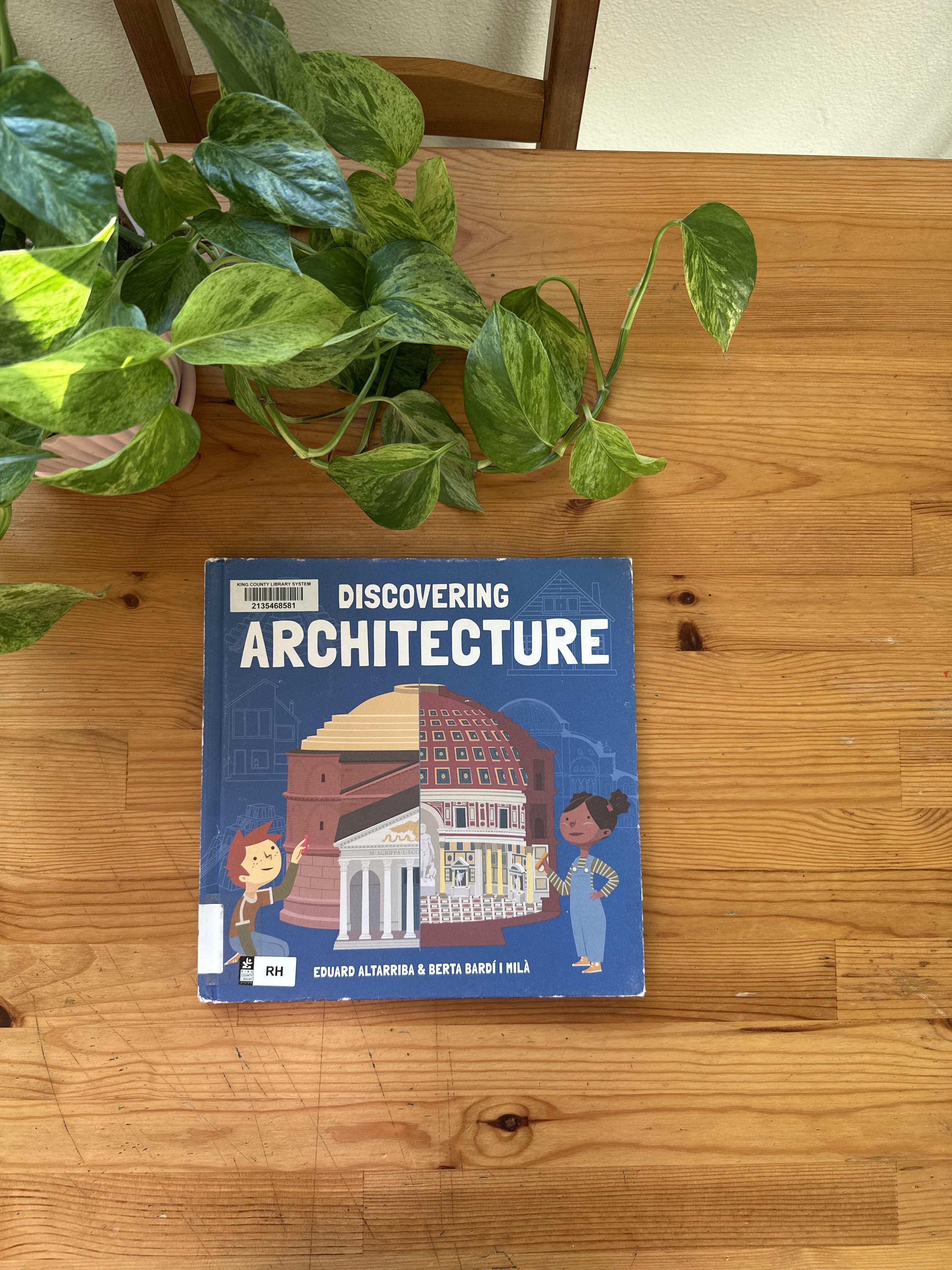
Discovering Architecture by Berta Bardí i Milà; illustrated by Eduard Altarriba
What children notice architecture history, building materials, arches and domes, iconic buildings, architects
Marathi Children’s Books · Ages 0–3 · Marathi
लहान बाळांसाठी बोर्डबुक संच (२ पुस्तकांचा संच) by Madhuri Purandare
Marathi Children’s Books · Ages 4–6, 7–9 · Marathi
Aavadtya Goshti (आवडत्या गोष्टी) Why I recommend it On our Marathi family reading list; not yet reviewed.
Marathi Children’s Books · Ages 4–6, 7–9 · Marathi
Meghanachi Rangit Duniya (मेघनची रंगीत दुनिया) by रमा हर्डीकर- सखदेव
Why I recommend it On our Marathi family reading list; not yet reviewed.
Marathi Children’s Books · Ages 0–3, 4–6 · Marathi
Kiti Aawaj! (किती आवाज!) by रमा हर्डीकर- सखदेव
Why I recommend it On our Marathi family reading list; not yet reviewed.
Marathi Children’s Books · Ages 4–6, 7–9 · Marathi
Raviwarcha Bazar (रविवारचा बाजार) Why I recommend it On our Marathi family reading list; not yet reviewed.
Marathi Children’s Books · Ages 7–9, 10+ · Marathi
Reviewed by Architectmata Carbon Copyanchi Karamat (कार्बन कॉप्यांची करामत) Why I recommend it On our Marathi family reading list; not yet reviewed.
Marathi Children’s Books · Ages 7–9, 10+ · Marathi
Khajina (खजिना) Why I recommend it On our Marathi family reading list; not yet reviewed.
Marathi Children’s Books · Ages 4–6, 7–9 · Marathi
Birbalchya Goshti (बिरबलच्या गोष्टी) Why I recommend it On our Marathi family reading list; not yet reviewed.
Marathi Children’s Books · Ages 4–6, 7–9 · Marathi
Kikinak Why I recommend it On our Marathi family reading list; not yet reviewed.
Marathi Children’s Books · Ages 4–6, 7–9 · Marathi
Appu Ani Gappu (अप्पू आणि गप्पू) Why I recommend it On our Marathi family reading list; not yet reviewed.
Marathi Children’s Books · Ages 4–6, 7–9 · Marathi
Aambe Kevha Yenar? (आंबे केव्हा येणार?) Why I recommend it On our Marathi family reading list; not yet reviewed.
Marathi Children’s Books · Ages 7–9, 10+ · Marathi
Mahabharatatil Nitikatha (महाभारतातील नीतिकथा) Why I recommend it On our Marathi family reading list; not yet reviewed.
Marathi Children’s Books · Ages 4–6, 7–9 · Marathi
Nahi Mahit (नाही माहीत) Why I recommend it On our Marathi family reading list; not yet reviewed.
Marathi Children’s Books · Ages 4–6, 7–9 · Marathi
Moru Aani Itar Katha (मोरु आणि इतर कथा) Why I recommend it On our Marathi family reading list; not yet reviewed.
Marathi Children’s Books · Ages 7–9, 10+ · Marathi
Bokya Satabande 6 to 7 (बोक्या सातबंडे ६ ते ७) Why I recommend it A childhood read I know personally and want to return to with the next generation.
Marathi Children’s Books · Ages 7–9, 10+ · Marathi
Bokya Satabande 1 to 3 (बोक्या सातबंडे १ ते ३) Why I recommend it A childhood read I know personally and want to return to with the next generation.
Marathi Children’s Books · Ages 4–6, 7–9 · Marathi
Magaru Aani Itar Katha (मगरू आणि इतर कथा) Why I recommend it On our Marathi family reading list; not yet reviewed.
Marathi Children’s Books · Ages 4–6, 7–9 · Marathi
Jadugar Ani Itar Katha (जादूगार आणि इतर कथा) Why I recommend it On our Marathi family reading list; not yet reviewed.
Marathi Children’s Books · Ages 7–9, 10+ · Marathi
Bokya Satbande Part 8, 9, 10 (बोक्या सातबंडे भाग ८, ९, १०) Why I recommend it A childhood read I know personally and want to return to with the next generation.
Marathi Children’s Books · Ages 4–6, 7–9 · Marathi
Bachada Aani Itar Katha (बछडा आणि इतर कथा) Why I recommend it On our Marathi family reading list; not yet reviewed.
Marathi Children’s Books · Ages 4–6, 7–9 · Marathi
Haricha Patang (हरीचा पतंग) Why I recommend it On our Marathi family reading list; not yet reviewed.
Marathi Children’s Books · Ages 4–6, 7–9 · Marathi
Raja Shahana Zala (राजा शहाणा झाला) Why I recommend it On our Marathi family reading list; not yet reviewed.
Marathi Children’s Books · Ages 4–6, 7–9 · Marathi
Manjarancha Gaav (मांजरांचा गाव) Why I recommend it On our Marathi family reading list; not yet reviewed.
Marathi Children’s Books · Ages 0–3, 4–6 · Marathi
Ujed Aani Andhar (उजेड आणि अंधार) Why I recommend it On our Marathi family reading list; not yet reviewed.
Architecture + Built World · Ages 4–6, 7–9 · English
Boxitects by Kim Smith
What children notice Give the child a box after reading without prescribing what to build. Ask what problem their structure solves.
Why I recommend it Makes design accessible through cardboard while naturally introducing iteration, failure and collaboration.
Architecture + Built World · Ages 7–9, 10+ · English
Adventures in Architecture for Kids by Vicky Chan
What children notice Choose activities by the child's current interest instead of completing the book sequentially.
Why I recommend it Architecture becomes observation, drawing, experimentation and problem-solving rather than a subject to memorize.
India + Belonging · Ages 4–6, 7–9 · English
Maharani the Cow Why I recommend it Can open conversations about animals, street life and the visual texture of everyday Indian places.
India + Belonging · Ages 4–6, 7–9 · English
Reviewed by Architectmata Ammama's Saree by Niveditha Subramaniam
Why I recommend it A route into family, material culture and the emotional life of an everyday object.
India + Belonging · Ages 4–6, 7–9 · English
Chiku Piku Why I recommend it Belongs in an India-and-belonging collection where familiarity, setting and cultural recognition matter as much as plot.
India + Belonging · Ages 4–6, 7–9 · English
Reviewed by Architectmata Nani's Walk to the Park by Deepa Balsavar
Why I recommend it Useful for place, intergenerational connection and the small observations that make a neighborhood memorable.
Architecture + Built World · Ages 7–9, 10+ · English
Atlas of Amazing Architecture by Peter Allen
What children notice Choose one building, locate it on a map, then compare its climate, materials and form with where you live.
Why I recommend it A strong visual browsing book for connecting buildings with geography, climate and culture.
Architecture + Built World · Ages 4–6, 7–9 · English
Reviewed by Architectmata How Does My Home Work? by Chris Butterworth; illustrated by Lucia Gaggiotti
What children notice Choose one system in your home and trace where it enters and where your child encounters it.
Why I recommend it Makes the invisible systems of a home—water, electricity and heating—visible to children.
Architecture + Built World · Ages 7–9, 10+ · English
Concrete: From the Ground Up by Larissa Theule; illustrated by Steve Light
What children notice After reading, look for concrete on a walk and ask what job it is doing.
Why I recommend it Turns an ordinary material into a route through architecture, engineering and history.
Architecture + Built World · Ages 7–9, 10+ · English
13 Architects Children Should Know by Florian Heine
What children notice Let the child choose one building only from the image, then investigate why it looks that way.
Why I recommend it Useful as a visual browsing book that gives children architects and buildings to recognize rather than requiring cover-to-cover reading.
Marathi Children’s Books · Ages 4–6, 7–9 · Marathi
Reviewed by Architectmata Gulabi Sai Why I recommend it Worth documenting not only for the story but for the family and language associations around reading Marathi together.
Marathi Children’s Books · Ages 4–6, 7–9 · Marathi
Reviewed by Architectmata Babachya Mishya Why I recommend it Useful for the growing Marathi section, especially noting whether it works for children who understand spoken Marathi but read it less fluently.
Architecture + Built World · Ages 7–9, 10+ · English
The Glass Pyramid What children notice Compare an old and a new building and ask whether new architecture should copy, contrast with or quietly complement the old.
Why I recommend it A child-friendly entry into old and new architecture through I. M. Pei and the Louvre pyramid.