Notebook 01 | Architecture, childhood, memory
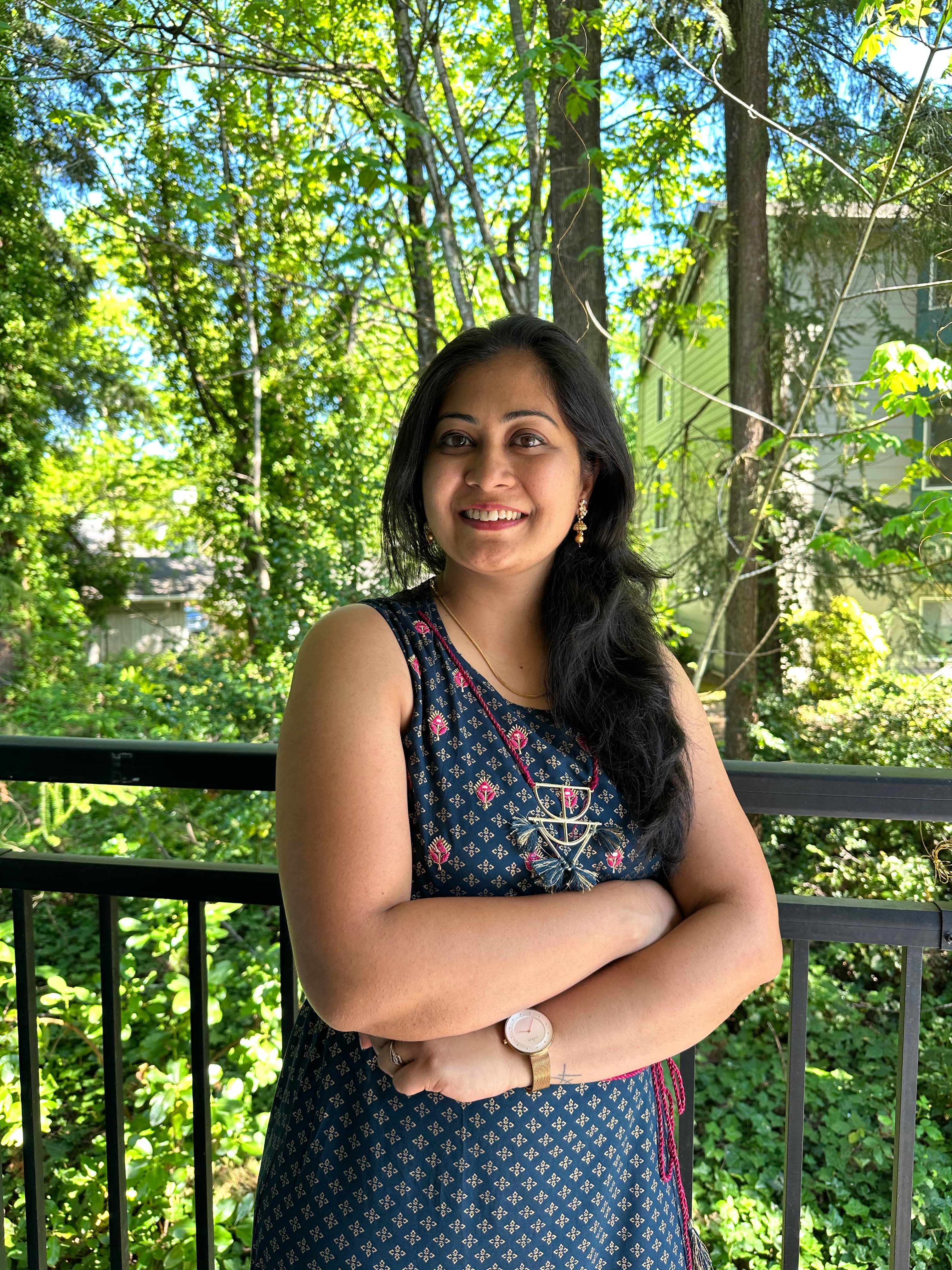
I'm Manasi, a conservation architect, educator, and mother.
I believe children don't just learn from books-they learn from buildings, streets, museums, forests, conversations, and the people who tell stories about them.
Architectmata is my notebook of those discoveries.
What Architectmata feels like
A conservation architect's fieldwork, translated for families.
Roof timbers, visitor centers, children's books, museum benches, sketchbooks, leaves, construction sites, and home experiments become one way of learning: observe first, name later.

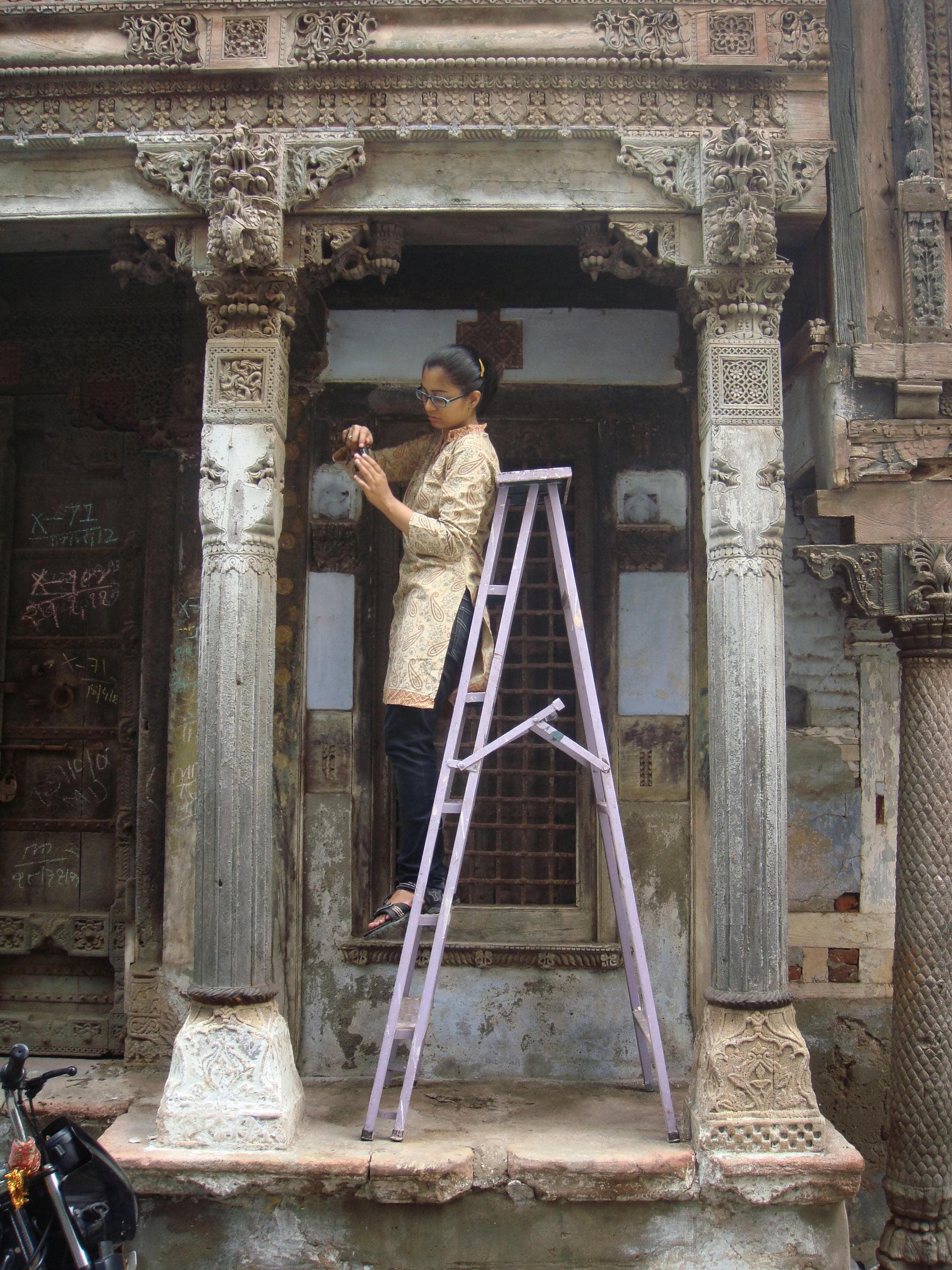
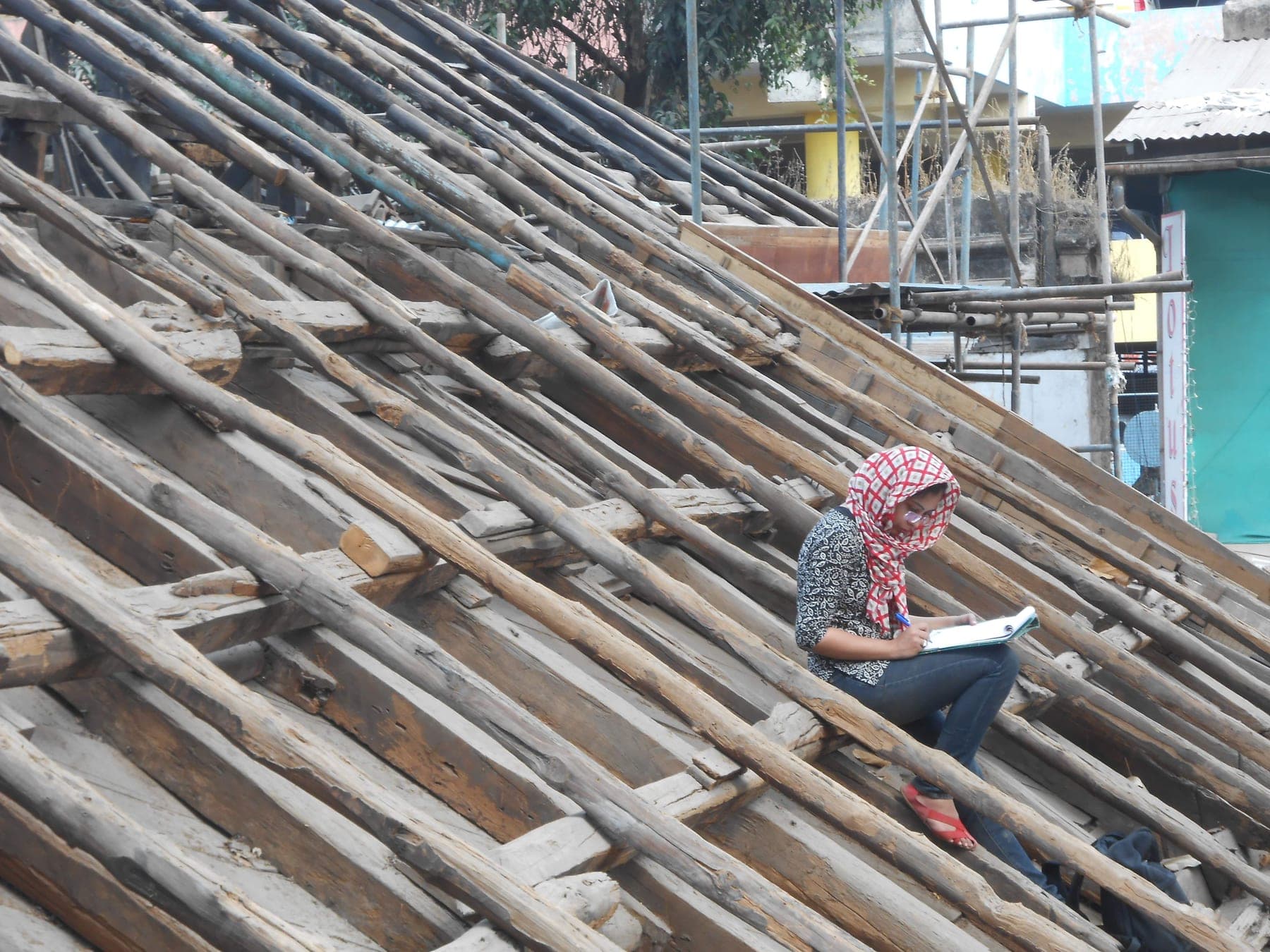
On-site sketching during heritage documentation.

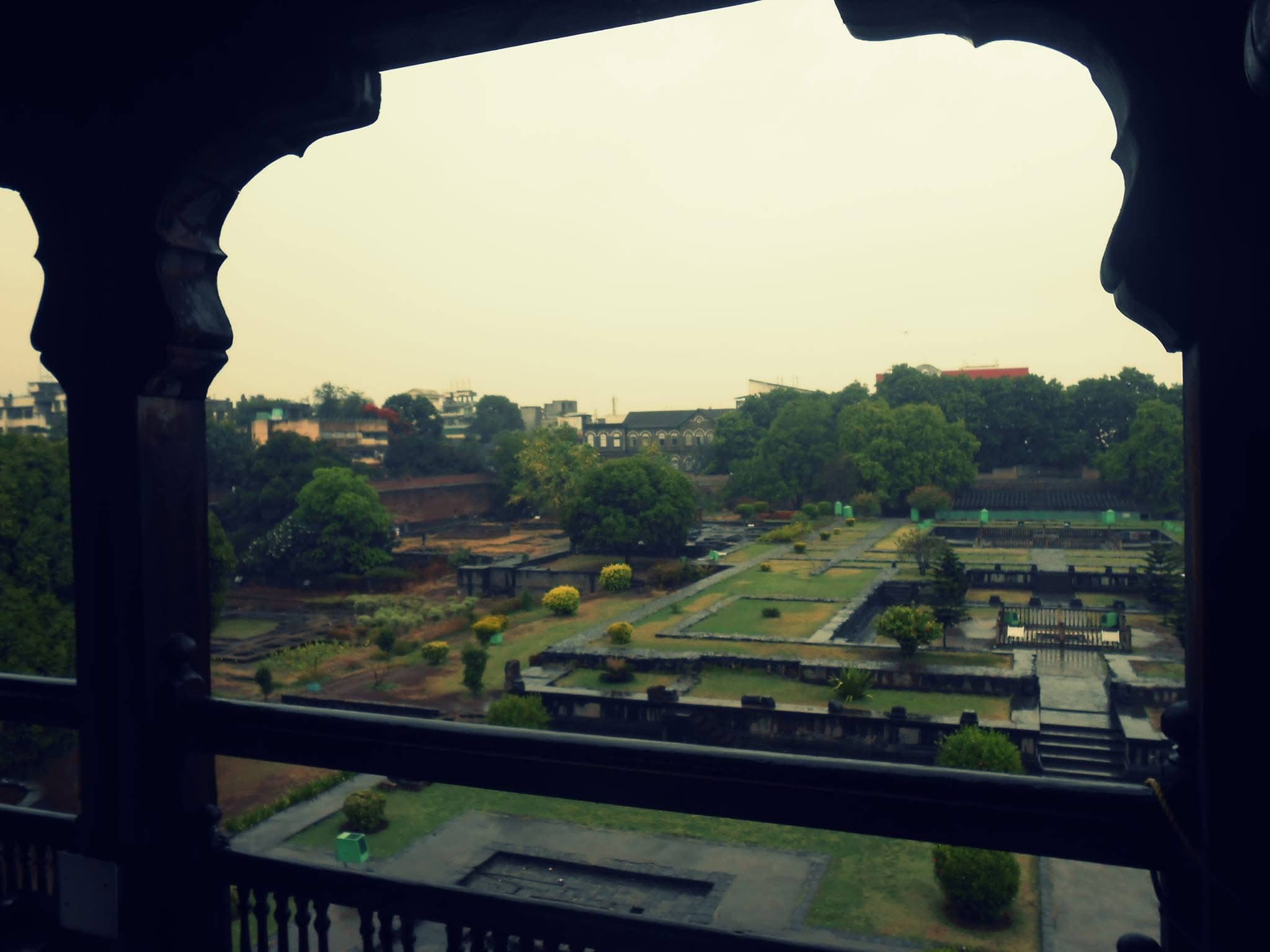
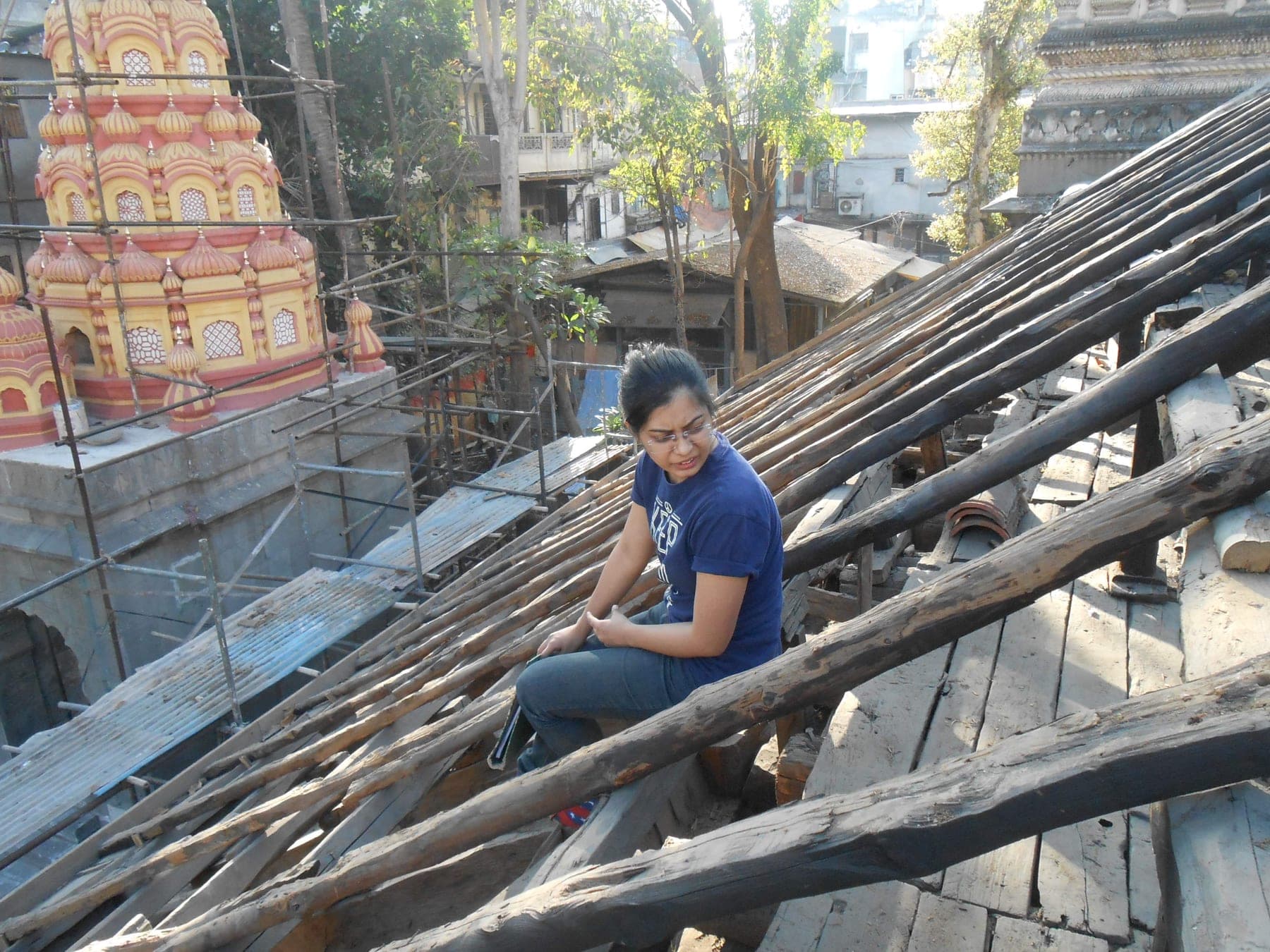
Traditional roof structure, temple precinct, and conservation fieldwork.
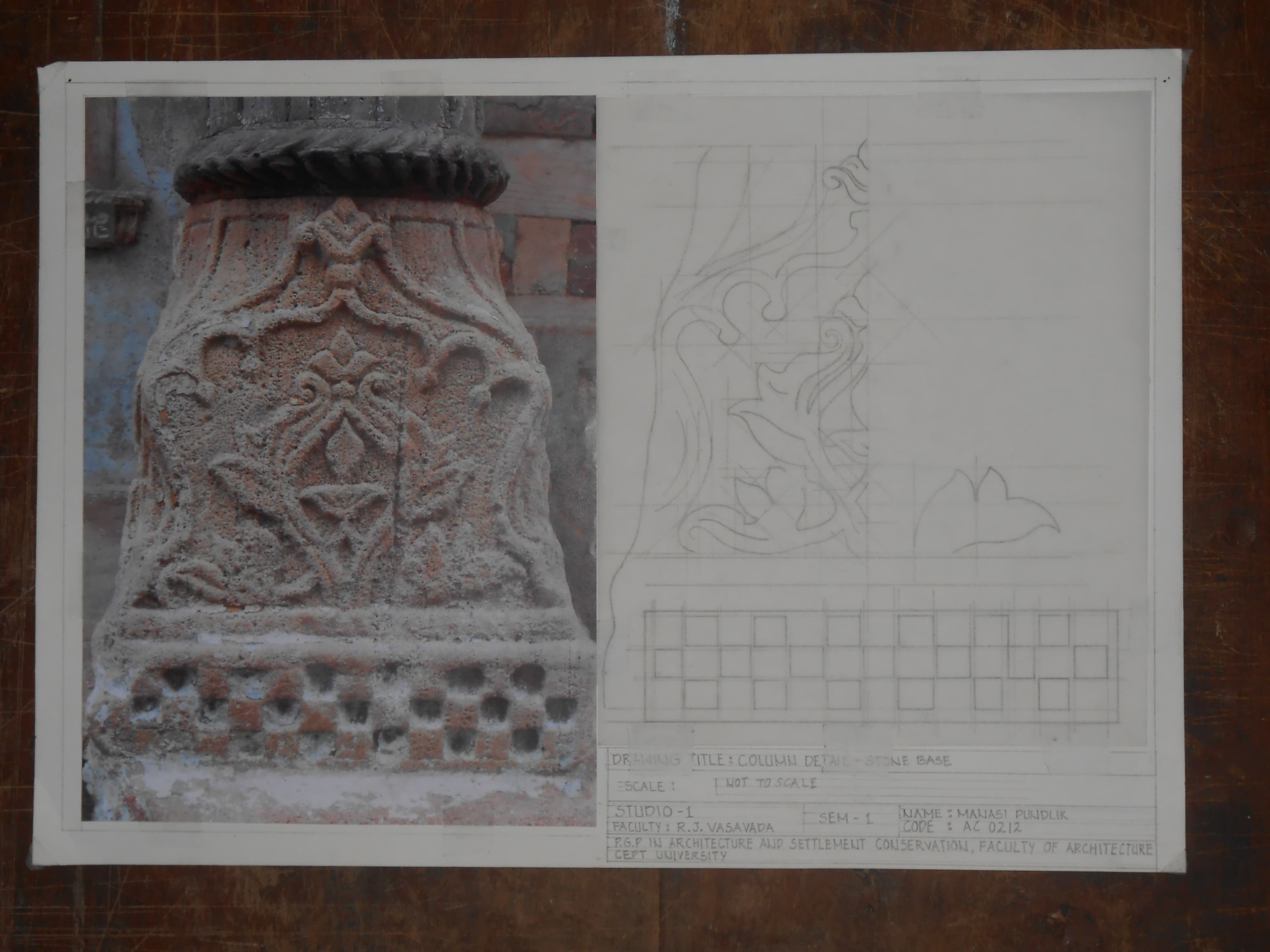
Cropped bracket detail from Manasi's conservation drawing archive.
Small exhibits from the living notebook
Field note
Measuring a place by sitting inside it
Roof timbers, repair work, scale, documentation
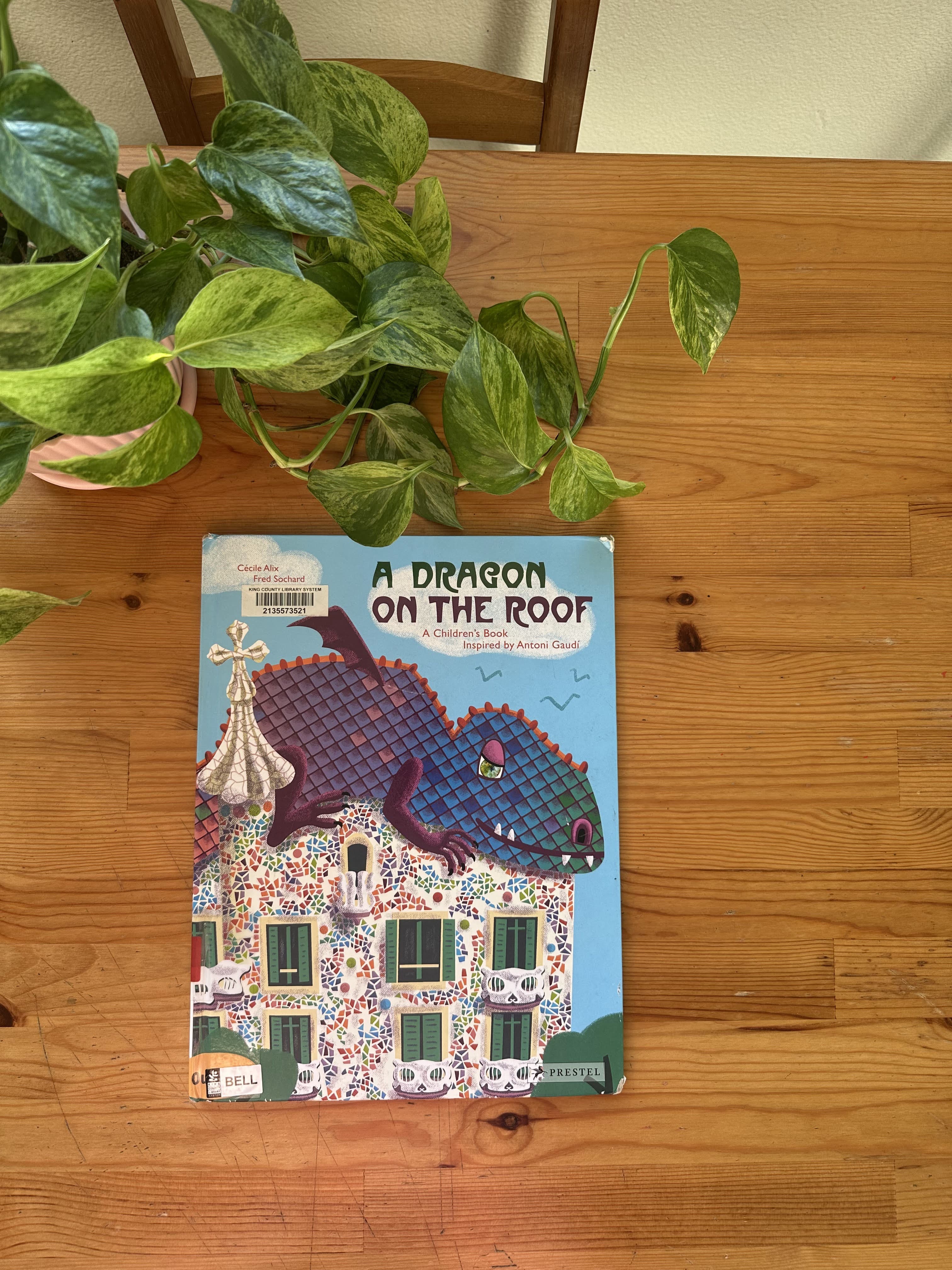
Pinned book
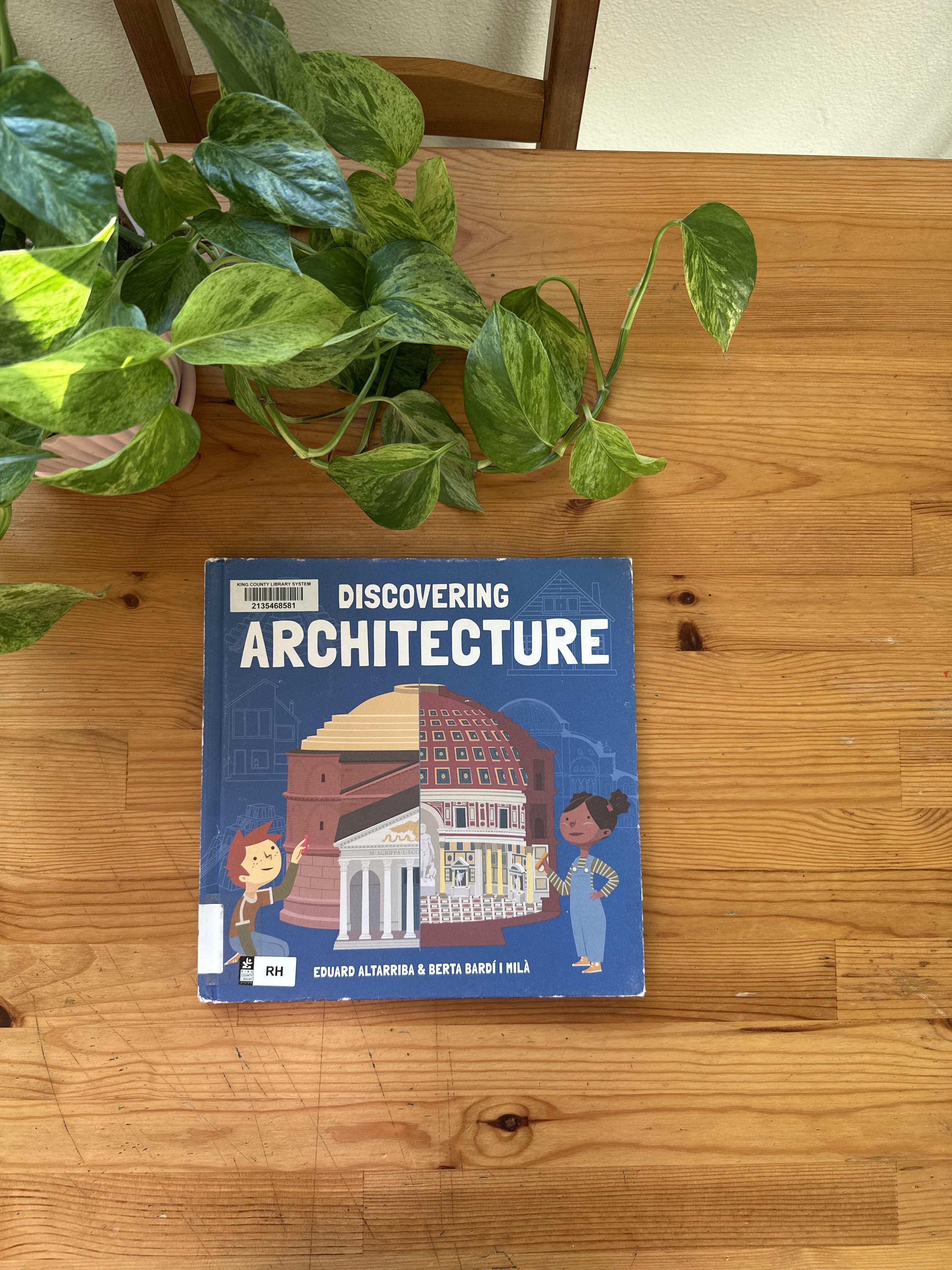
How Does My Home Work?
Systems, shelter, pipes, wires, everyday architecture
Travel scrap
Yellowstone Junior Ranger memory
Visitor centers, wildlife, badges, slow family learning
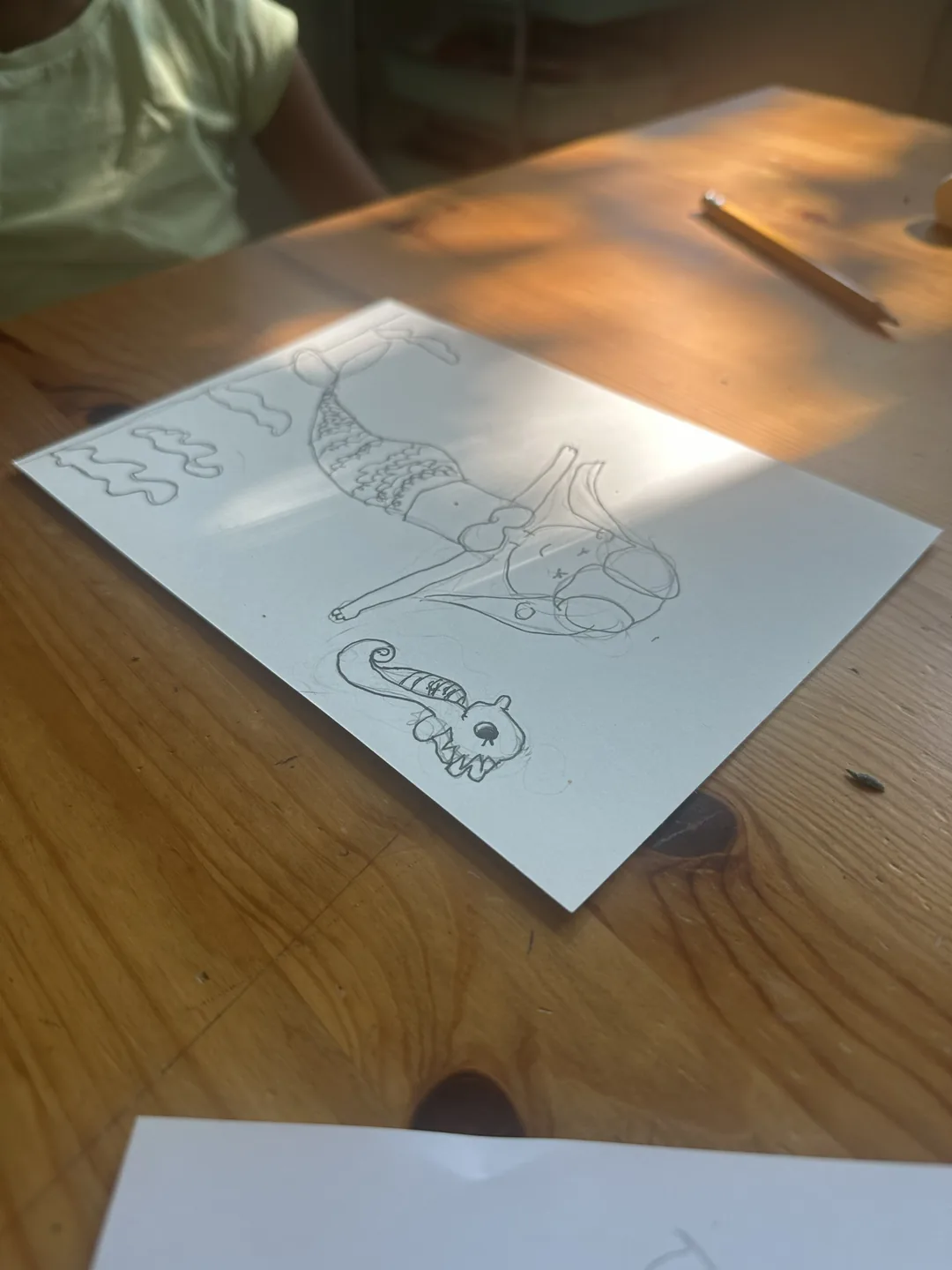
Studio prompt
Draw the street you know without looking
Memory maps, landmarks, routes, belonging
Heritage trace
Bracket, capital, shaft, hand, scale
Cropped drawing fragments from conservation study
Nature note
Leaves collected after the monsoon
Texture, season, patience, field journal
Drawing archive
Conservation drawing fragments, shared with care.
Only cropped, watermarked fragments are shown publicly. The complete sheets stay private while the linework gives the site its architectural hand.

About Manasi
Manasi Chaudhari is a conservation architect, educator, mother, and storyteller helping families discover architecture through observation rather than instruction.
Watching her son learn made her realize children understand architecture long before they know the word architecture. They learn through books, play, museums, nature, travel, conversations, and everyday observation.
Architectmata began as a way to reconnect with architecture after stepping away from professional practice and to make architecture accessible to families through stories, books, travel, art, and curiosity.
Studied
Bachelor of Architecture, RTM Nagpur University
Master of Architecture in Architectural Conservation, CEPT University, Ahmedabad
Worked at
Kimaya Architects, Pune
Conservation and heritage documentation projects
Former Assistant Professor of Architecture
Currently
Redmond, Washington
Five ways into the notebook
Five rooms for looking, reading, travelling, making, and remembering.
Observe
Architecture, cities, parenting, and everyday details
Doorways, bus stops, balconies, museum fatigue, child development, street corners, and the small clues children notice first.
Visit observeRead
Children's books as maps for curiosity
Picture books, Marathi books, STEM, architecture shelves, chapter books, and reviews that connect reading with looking.
Visit readExplore
Travel as gentle fieldwork
Family travel, national parks, museums, heritage sites, visitor centers, city walks, and nature trails made child-sized.
Visit exploreCreate
Art, activities, studio projects, and printables
Sketching, mapping, collage, texture studies, observation sheets, and creative learning that begins with place.
Visit createRemember
Memory, heritage, migration, family stories, and keepsakes
The archive of childhood: tickets, recipes, routes, old homes, inherited words, and stories carried across places.
Visit rememberRead
Featured children's book reviews
The book shelf will grow into a searchable library. For now, each note connects a child's book with one way of observing the world.
Ages 4-8
How Does My Home Work?
Electricity, water, plumbing, construction, and how homes function
One of the first books Manasi recommends because it encourages children to look differently at their own homes.Ages 3-6
A Monsoon Alphabet
Seasonal observation, sound, color, waiting
Turns weather into vocabulary and invites children to listen before they name.Ages 6-9
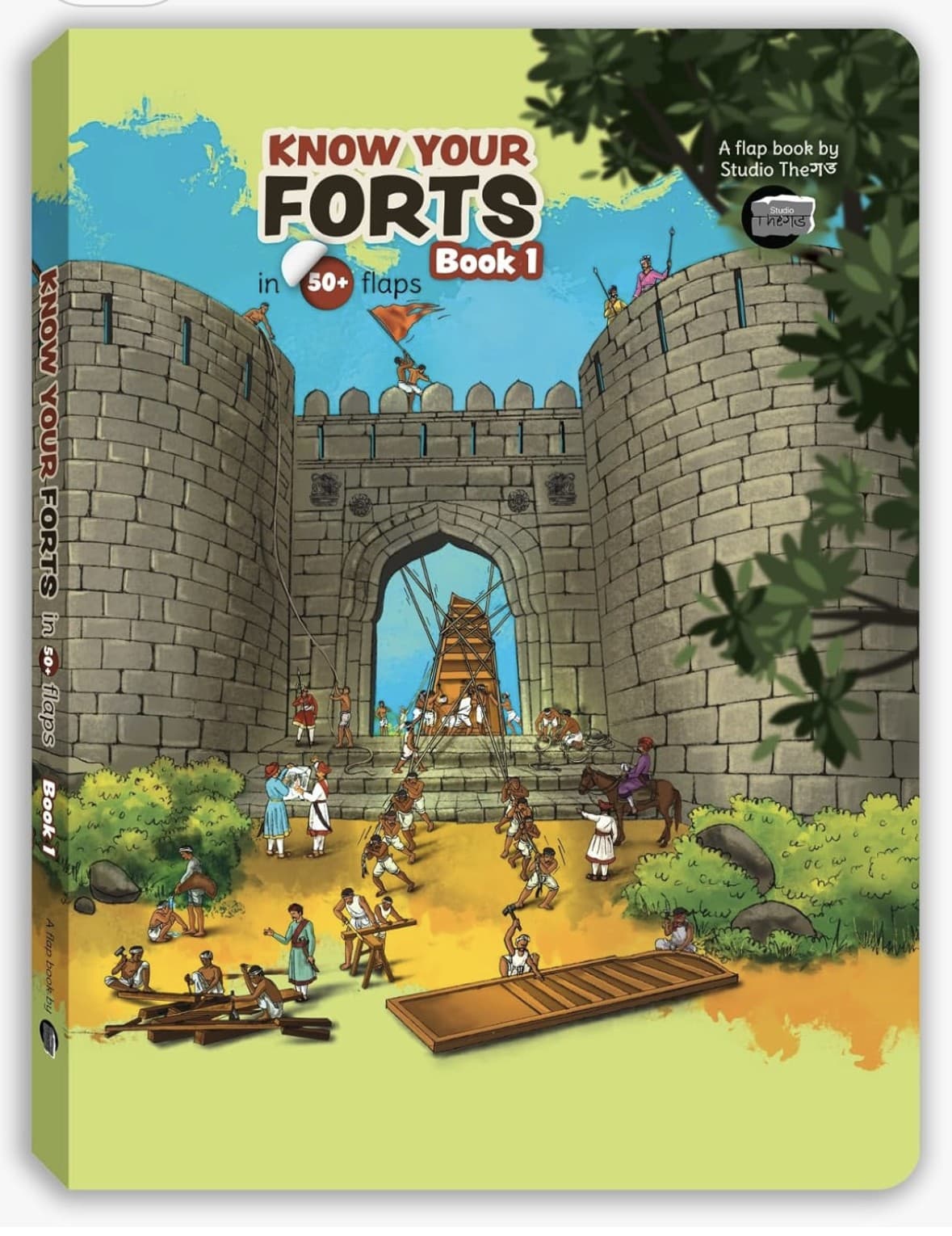
The Fort on the Hill
Landscape, local history, courage, oral storytelling
Pairs beautifully with a short climb, a sketchbook, and a story from a grandparent.Explore
Featured travel and heritage stories
These are family field guides, not tourist checklists: slow routes, visitor centers, badges, benches, sketches, and memories.
Yellowstone National Park | Family travel
Yellowstone Without Rushing
Wildlife, visitor centers, landscapes, and Junior Ranger activities became a way to learn through exploration rather than racing between viewpoints.
Read field guideNational parks | Family travel
The Visitor Center Is the First Museum
Maps, stamps, ranger desks, animal tracks, and why the practical room is often the best learning room.
Read field guideParenting | Art and fatigue
A Museum Day When Nobody Finished the Gallery
How to treat restlessness as feedback and turn one sculpture, one bench, and one postcard into enough.
Read field guideArchitectmata Studio
Art classes for observing, remembering, and making.
Children become confident artists and observers by drawing, experimenting, asking questions, and looking closely at the world around them. Classes are primarily in-person in Redmond, Washington, with fees available on inquiry.
Explorer Club
Printables for small observers
Heritage Walk Observation Sheet
Printable PDF
Picture-Book Architecture Shelf
Booklist
Travel Journal for Children
Workbook
Museum Scavenger Hunt
Activity card
Recent notebook entries
Blog notes from architecture, motherhood, travel, books, and memory
Observe
Children Read Buildings Before They Know the Word
Construction sites became chances to talk about excavators, materials, and how places are made. Every building has clues children can already begin to read.
Remember
Pandemic Play From Everyday Materials
Simple play experiences made from household materials taught Manasi that observation and imagination matter more than perfectly designed toys.
Create
Texture Exploration for Little Hands
Cardboard, fabric, bubble wrap, leaves, paper, crayons, and paint become a sensory activity for ages 18 months to 5 years.